
How Quiet Is the Range Picker?
Low-Noise Ball Collection Designed for Modern Driving Ranges
Robotic golf ball range pickers are engineered for quiet, low-noise operation, making them ideal for use during practice sessions, evenings, and early mornings. Unlike traditional gas-powered range tractors, autonomous electric range pickers operate smoothly and consistently, without engine noise, exhaust, or disruptive vibration.
In real-world use, the primary sound you’ll hear is simply the golf balls dropping into the Bridge storage baskets. At typical operating distances, the sound blends into normal range and outdoor ambient noise.
For ranges focused on player experience, operational efficiency, and noise reduction, the Range Picker offers a significantly quieter alternative to legacy equipment helping facilities run cleaner, calmer, and more comfortably throughout the day.
Real-World Sound Testing in Charlotte, NC
To address questions about noise — particularly from facilities with nearby homes — we conducted live decibel testing during a recent Range Picker installation in Charlotte, North Carolina.
Measurements were captured using a handheld decibel meter during active operation.
Test 1:
Direct Proximity (0 Yards)
Location: Immediately beside the return bridge
Driving Average: ~62 dB
Peak During Ball Discharge: < 90 dB (8–10 seconds)
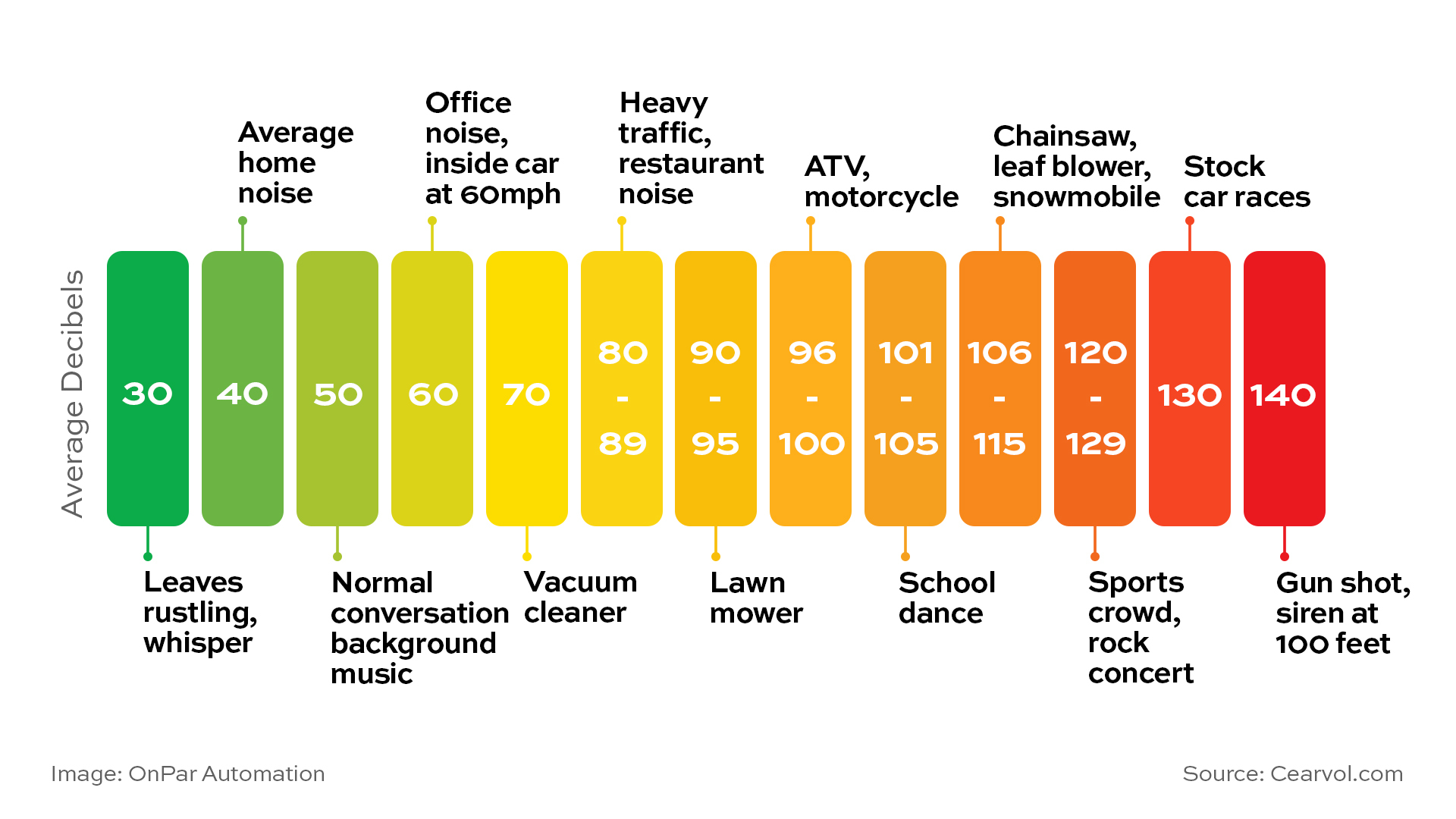
While driving onto the bridge, the Range Picker averaged approximately 62 dB at direct proximity — comparable to normal conversation.
During ball discharge into the bridge, sound levels briefly peaked just under 90 dB for approximately 8–10 seconds as balls transferred into the system.
This peak represents the loudest possible measurement scenario — standing directly beside the discharge point during active ball transfer. The higher reading is short in duration and not sustained operational noise.
Test 2:
100 Yards from Discharge Point
Location: Approximately 100 yards from the bridge
Measured Range: 60–70 dB
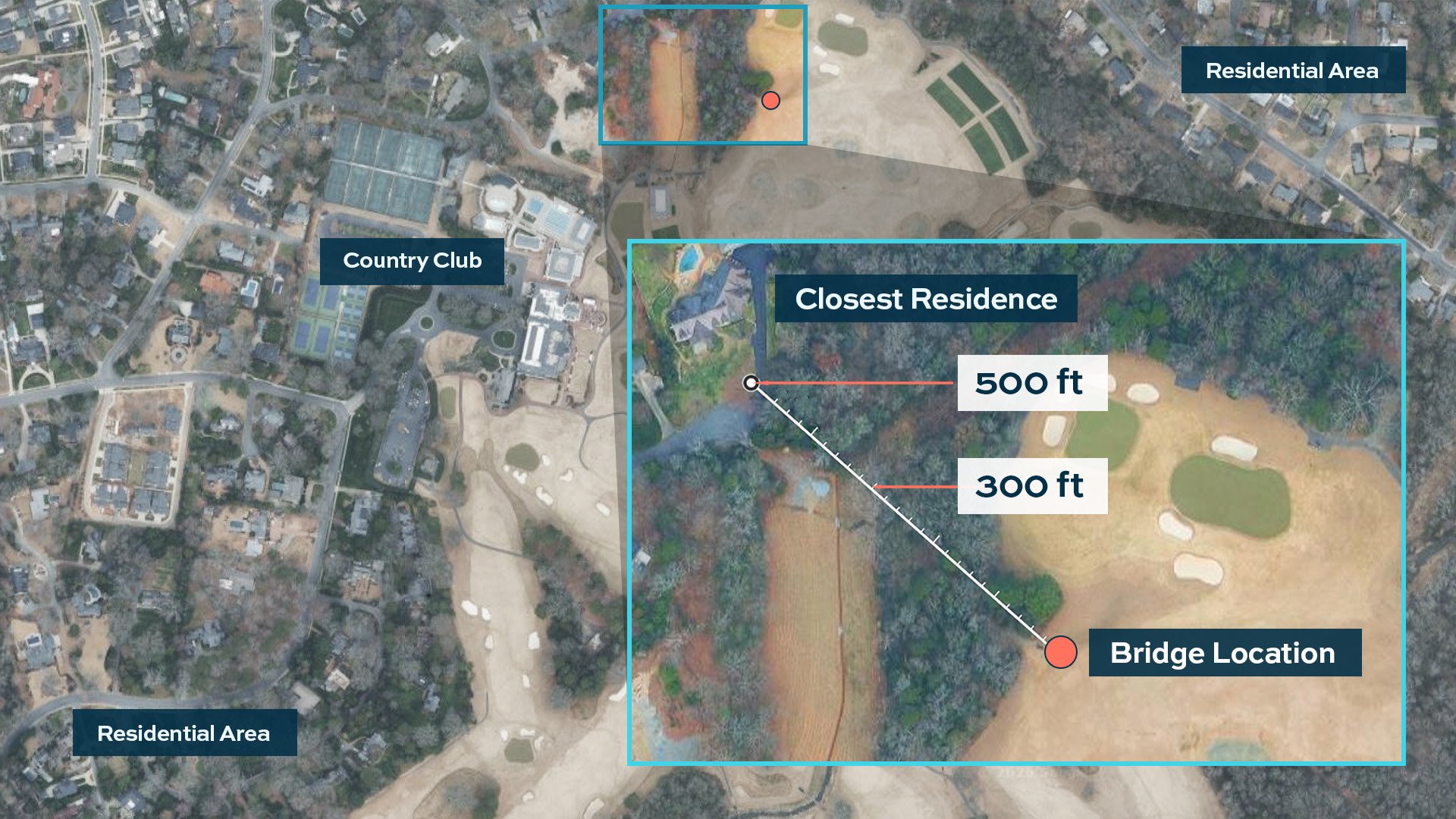
At 100 yards (300 feet) from the discharge point, recorded levels ranged between 60–70 dB, comparable to typical outdoor ambient noise.
At this distance, environmental factors such as wind and surrounding activity were present, meaning the ball discharge sound blended into normal range conditions rather than standing out as a distinct noise source.
How Do These Sound Levels Compare?
To provide additional context, here’s how common decibel levels compare in everyday environments:
What About Homes 500 Feet Away?
During this installation, the closest home was located approximately 166.6 yards (500 ft) from the range — prompting us to test sound levels at the source and at distance. While peak discharge sound occurs only at direct proximity for a few seconds, sound energy drops rapidly as it travels across open outdoor space. By 100 yards (300 ft), measurements blended into typical ambient conditions. At 500 feet, brief ball discharge sound would be significantly dissipated and unlikely to stand out from normal environmental background noise.
For facilities evaluating residential proximity, the key distinction is this: the Range Picker does not generate continuous engine noise — only short-duration ball transfer sound during discharge.
That operational difference matters when considering long-term neighborhood impact.
See If the Range Picker Is Right for Your Range
Questions about noise, operations, or site fit?